

Pastor Privileged February: Polluted Health, Ecumenical Surprise, and The Pain of Editing
Three Pastor-Theologian Updates

Welcome to the newest section of Pastoral Theology, “Pastor Privileged Monthly,” where you will get an insider’s end-of-the-month view of the practical and theological issues of being a pastor theologian.
I’m of course playing on the idea of “Pastor-Penitent Privilege” in the section title, which refers to the pact clergy have with the state in western legal tradition. Similar to therapists, pastors can’t be compelled to divulge private conversations they had with congregants. This goes back to the confessional booth in Catholicism. What you confess to the priest stays with the priest.
“Pastor Privileged Monthly” will be the inverse of that: Me letting you in on the ways I have encountered victories, losses, challenges, and joys. Everything I talk about will touch on what it means to be a pastor and theologian.
My hope is that this becomes a piece of encouragement for pastors and theologians who experience routine isolation and disillusionment. So please do share with anyone you think might be built up by it.
Polluted Health and Pulpit Fill
One of the persistent anxieties pastors face, especially in small churches, is the prospect of getting sick on Saturday and not having anyone to fill in on Sunday. I’ve woken up on a Sunday morning more than once unable to stand up, let alone preach, from an overnight onset of the flu. Having small children who pick up viruses like candy only concentrates the anxiety.
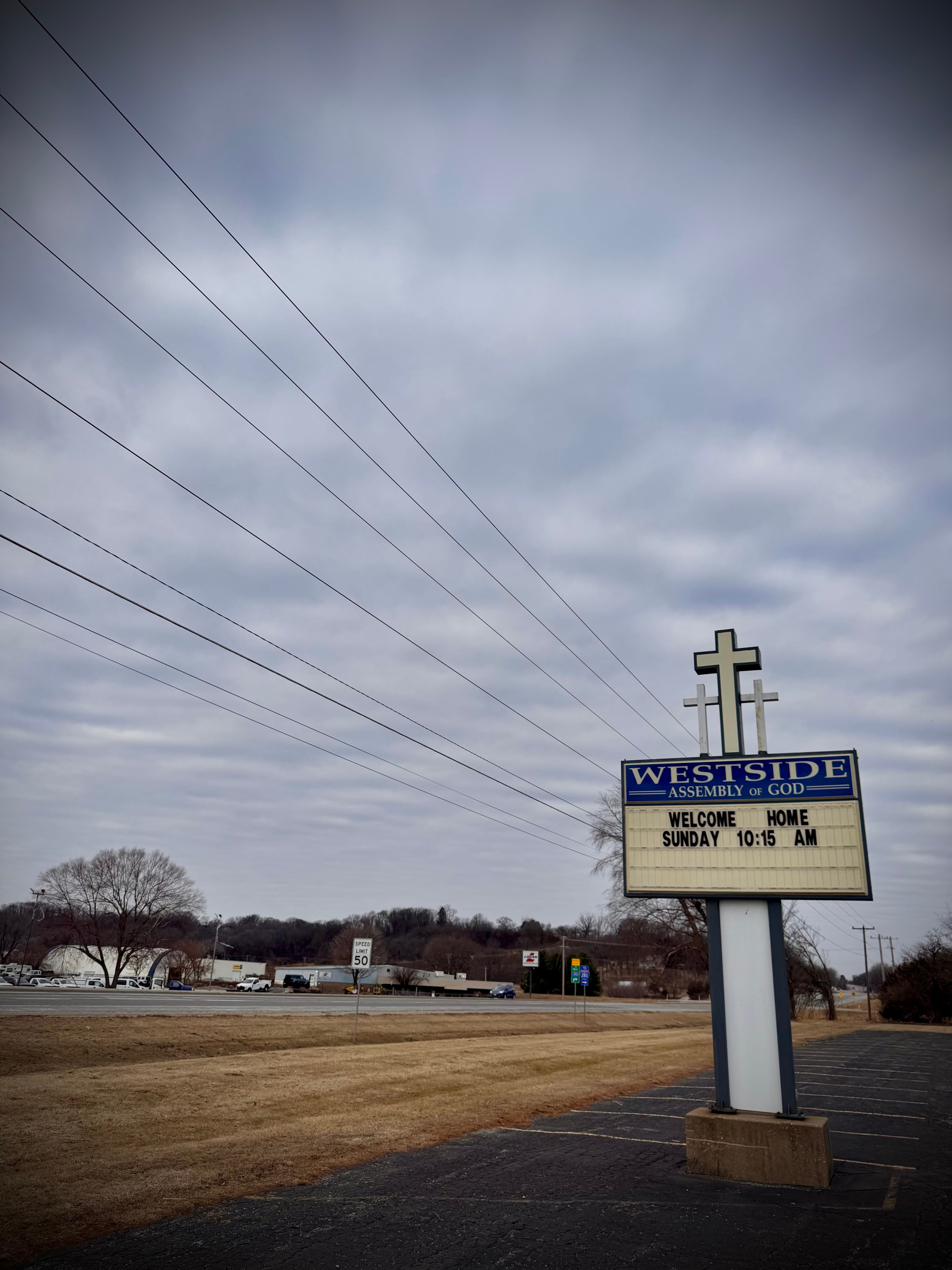
This February I had the great privilege of being a relief pitcher for a pastor in that precise situation. Bryan Newswander, pastor at Westside Assembly in Davenport, IA, texted me on a Saturday morning to say that he needed help. The flu had taken his family hostage, and he was the latest to be captured.
I had a few things to work out on my end. I was scheduled to lead kids church, but my lead pastor, Abby Anderson, was happy to make things work. Her husband, Kyle, volunteered to fill in for me.
This is a real lesson about the beauty of cultivating friendships between churches, and the importance of having “all things common” like the early church did in Acts (see 2:42-47). It was a joy to share my time and the church’s resources (which was me) with another church.
I asked my son, Lazarus, who is now 10, if he’d like to go with me. I remembered being able to do this with my father when I was 10, and it was exciting to relive it from the other side. I called him my “armor bearer” for the trip 😅.
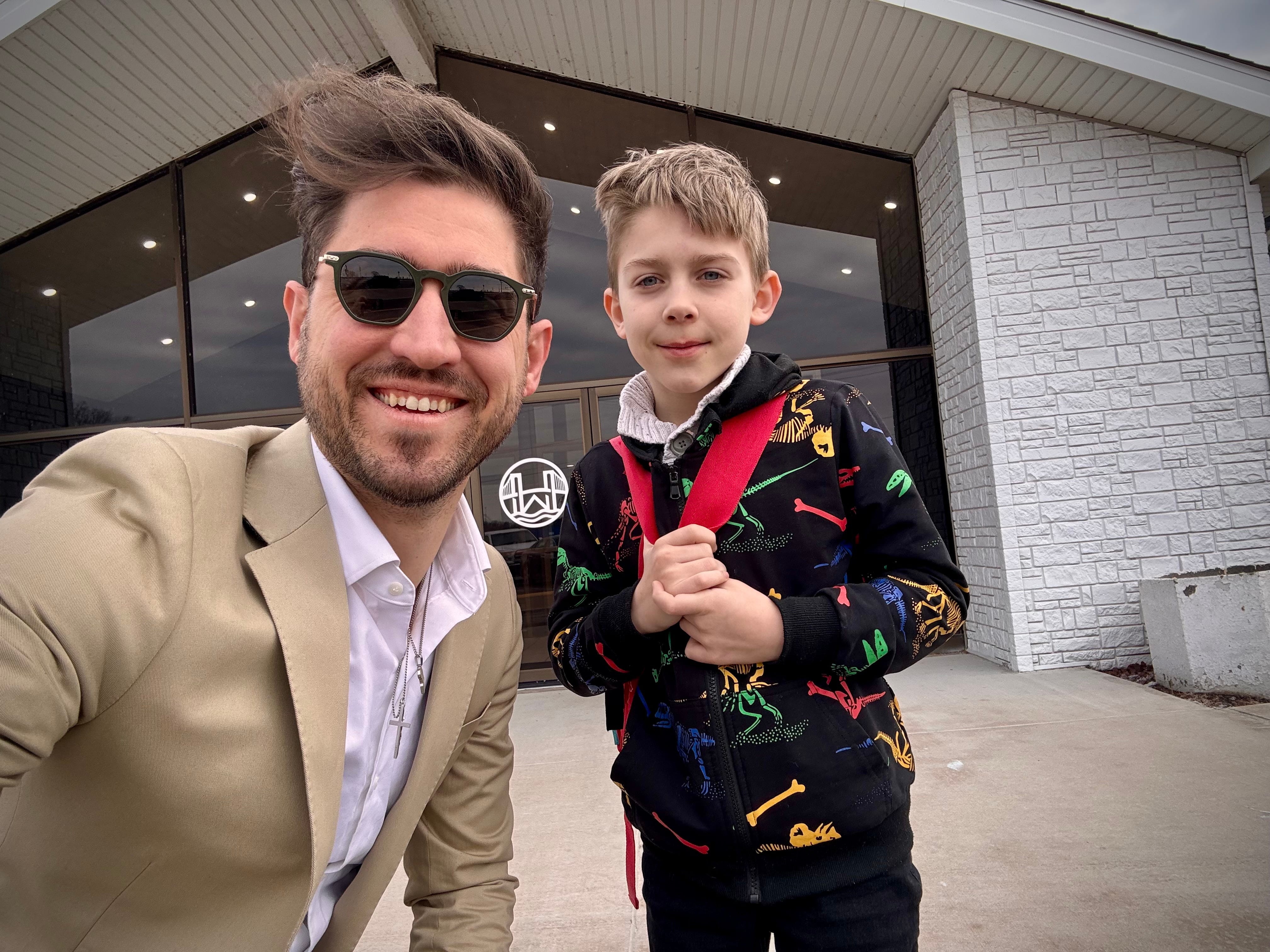
I preached on baptism from Matt 3, which is what Pastor Bryan had planned on preaching. If there’s anything in life I want to be known for as a guest preacher, it’s for preaching the building blocks of Christianity. Like baptism, resurrection, the Lord’s Supper, and the cross ✝️
I don’t ask for pledges for subscriptions on this platform. So here I’d like to suggest you give a small offering to Westside Assembly to help them out. I suggest $5, or the cost of a St*rbucks drink. I can vouch for your donation going to kingdom use.
Ecumenism and Evangelicalism
How does one relate pastorally and ecclesiologically to other denominations? I’ve learned that too much theory really gets in the way. The best way of doing ecumenical work (i.e. building friendships and partnerships across churches and denominations) is to be like Nike, and just do it. You’ll be surprised at how easy it to make friends with people you disagree with on a number of theological, churchly, biblical, and practical issues.
The key to ecumenism is to work out differences from a foundation of prior friendship, not the other way around.
I got do this in a concentrated way this month by attending my first St. Iranaeus Fellows meeting at the Center for Pastor Theologians in Oak Park, IL.
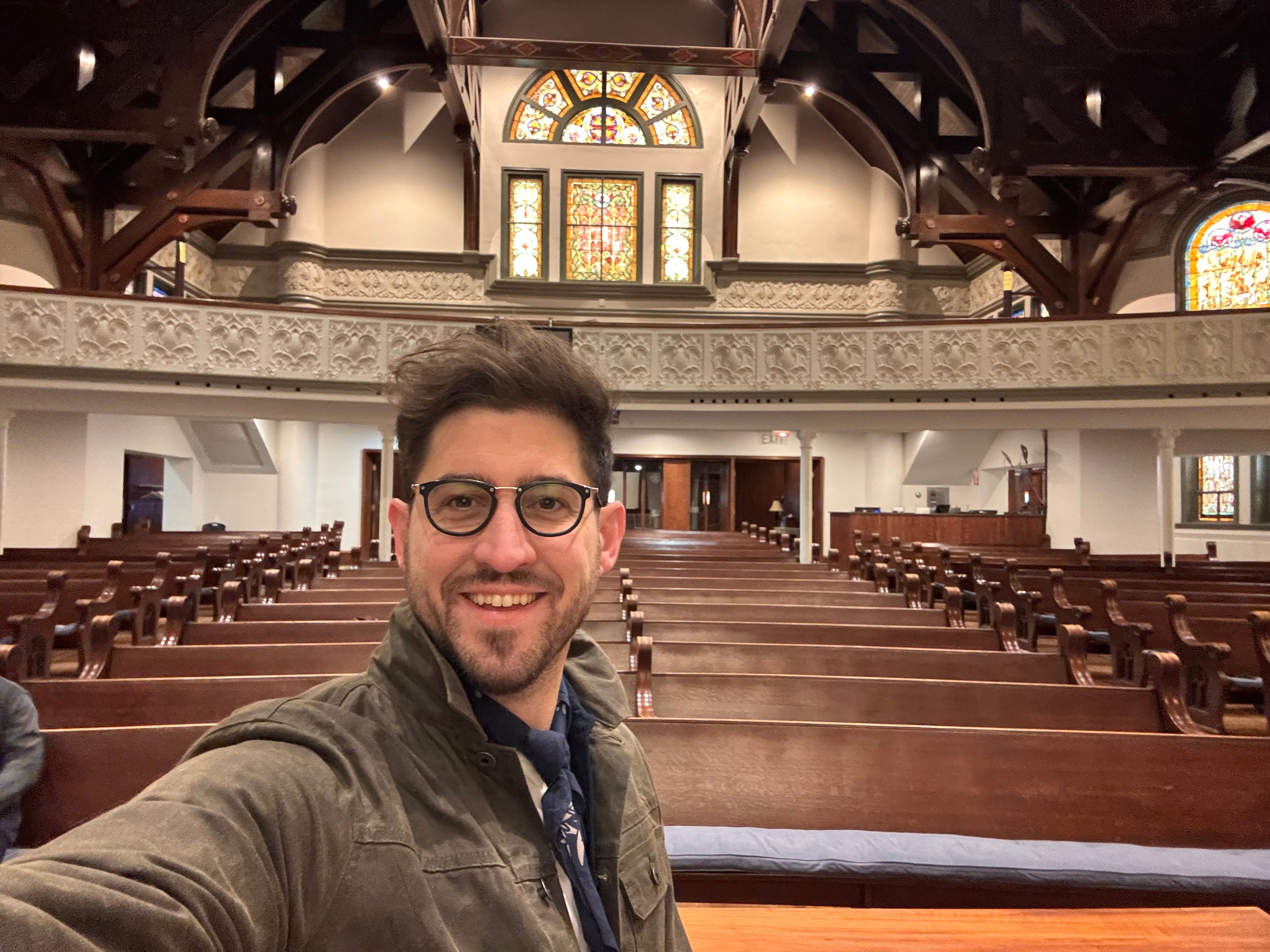
We had devotionals, prayer, lectures, and roundtable discussions with a group made up of pastors from what the director of the CPT, Joel Lawrence, calls “Great Tradition Evangelicalism.” We had women and men, complimentarians and egalitarians, and pastors from the uttermost parts of the earth like Brazil, South Korea, and Clinton, MO.
We also had Parthians, Medes, and Elamites, residents of Mesopotamia, and not a few Gentiles (!). Okay, that last part is a joke playing on the unexpected people included in the outpouring of the Holy Spirit in Acts. But I’m making a point: The CPT felt to me like the kind of unity in diversity that the early church was able to cultivate.
👉 I’m curious to hear anecdotes about unexpected friendships and collaborations across denominational difference. Tell me a good story in the comments or a restack, and I’ll be sure to amplify it.
If you want to be a part of what’s happening at the CPT, come to the conference with me October 19-21. This year we’re talking the identity of the church in a time of cultural crisis.
Finally: Writing Update
If you haven’t heard yet, now you have: I’m writing a book on Pentecostal Proclamation. I’m really excited to let you know that I’ve completed a rough draft of the manuscript. The working title is Tongue On Fire: Pentecostal Proclamation in the 21st Century, to be published with Logion Press.
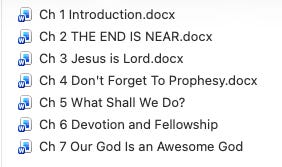
I find editing my own writing really painful. It’s astounding how many simple mistakes I make, and how often I think, “Mannnn, I have no idea what I was trying to say here” 🤣.
If you want to see the video updates on what I’ve been working on in Chs 1-4, here’s a link to first video. From there you can follow the progressive numbering of the book updates in my list of publications in my Pastoral Theology. There’s more to come!
<<We also had Parthians, Medes, and Elamites, residents of Mesopotamia, and not a few Gentiles (!)>>
How cool would it be to have a pastor-theologian from Iran (ancient Elam) be able to participate in the CPT? Lord willing...
Any rough idea when your new book will be released?